From Our Fight with Cancer to a New Hope in Treatment
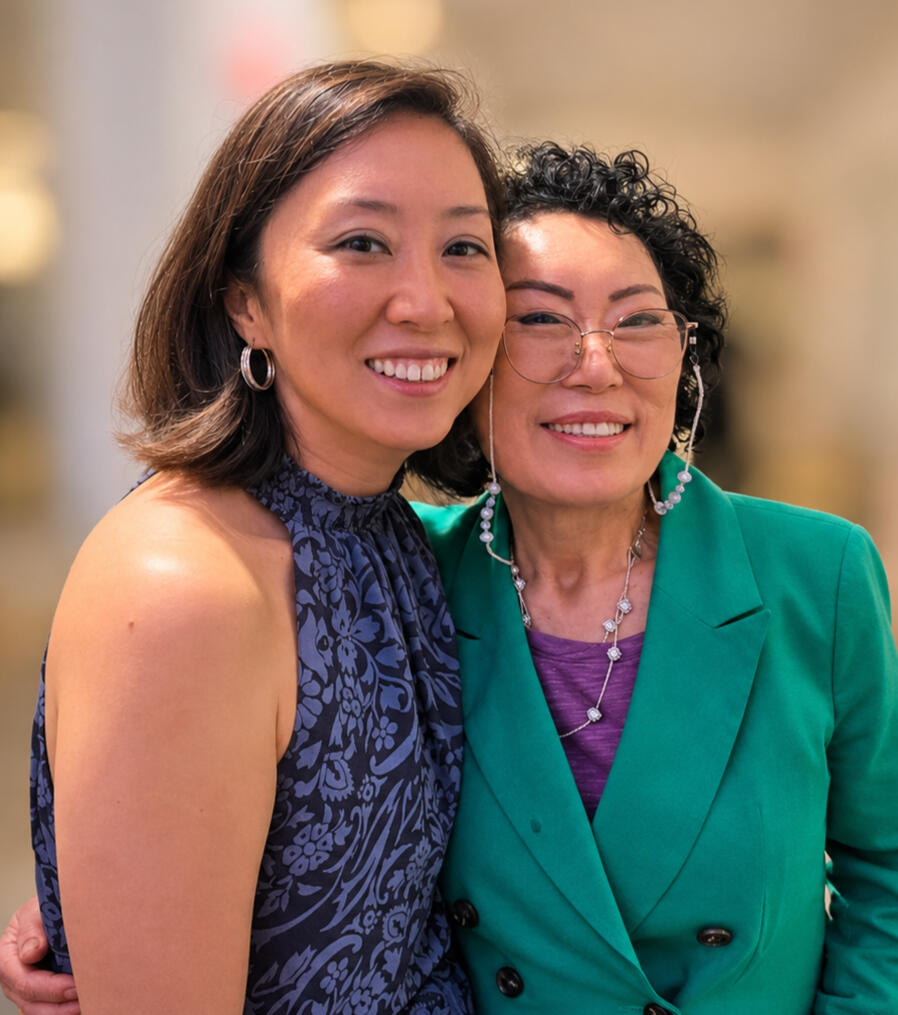
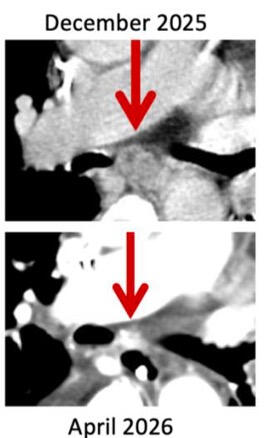
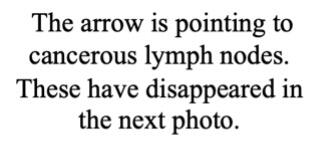
As a radiation oncologist at the Duke Cancer Center, I have dedicated twelve years to studying one of the greatest challenges in cancer treatment: tumor resistance to immunotherapy (checkpoint inhibitors e.g. Keytruda), a treatment that activates the immune system to attack their cancer. In some stage 4 cancer patients, they can become cancer free for years. However, immunotherapy creates this complete remission in less than 10 out of 100 of people (estimated average across all cancer types).Unfortunately, my mother was not one of these people.I never imagined that this research would become deeply personal. When my mother was diagnosed with cancer in her liver, it was unresponsive to immunotherapy and continued to spread to her lungs and spine. We needed a miracle with no time to wait for new discoveries. I resorted to adapting my on-going immunotherapy research using radiation to amplify the effectiveness of immunotherapy. I adjusted my mom’s radiation protocol to one that had a greater chance of stimulating the immune system and combined it with the immunotherapy. Additionally, I added a repurposed FDA approved drug known to stimulate the immune system. Then, something remarkable happened.By combining these three agents, the result surprised even her doctors. Her tumors didn't just shrink where the radiation was delivered. Cancer elsewhere in her body began shrinking too, known as the abscopal effect. The immune system had been switched on to hunt cancer throughout her whole body. It's one of the rarest, most sought-after outcomes in cancer care, and no one has found a reliable way to produce it. While her cancer was shrinking and labs were improving, my mother heartbreakingly passed away from sepsis. Before she passed away, she made one final request: Finish this research project.This is a potential breakthrough for cancer -- we need to prove this treatment works in a clinical trial.Nearly 10 million people worldwide die of cancer every year. This must stop. If we repeat what we saw in my mother on a larger scale, this discovery will help millions of cancer patients.
How you can help:
For stage 4 lung cancer patients who have no further treatment options, I’m raising $1,500,000 for a clinical trial that will test the treatment my mom received. The cost is $75,000 per patient. We will expand to more cancer types after verifying results in lung cancer. This study will be held at the Duke Cancer Center.To donate, please use this link: [https://duke.is/Kim]Or please write a tax-deductible check payable to :
Duke Dept. of Radiation Oncology
Memo: Grace Kim Cancer TrialMail to:
Duke Department of Radiation Oncology
DUMC Box 3640
Duke Cancer Center, Medicine Circle
Durham, North Carolina 27710For stocks donation, please email [[email protected]]Duke Cancer Center is a 501(c)(3) organization